Tips
Your Questions About Balanced Nutrition Answered

What is balanced nutrition?
Balanced nutrition means eating a variety of foods in proper proportions to fuel your body and mind. It involves combining proteins, healthy fats, carbohydrates, vitamins, and minerals in ways that support your individual health goals. When you understand how different foods work together, you create sustainable eating patterns that boost energy, improve digestion, and enhance overall wellness. Proper nutrition is the foundation for preventing chronic diseases and maintaining a healthy weight naturally.
Why is healthy eating important for you?
Healthy eating habits transform how you feel daily and protect your long-term health. Nutritious foods strengthen your immune system, improve mental clarity, and stabilize your mood and energy levels. When you nourish your body with whole foods and balanced meals, you reduce the risk of heart disease, diabetes, and other serious conditions. Beyond physical benefits, developing better eating habits builds confidence and creates a positive relationship with food that lasts a lifetime.
What are the key components of a balanced diet?
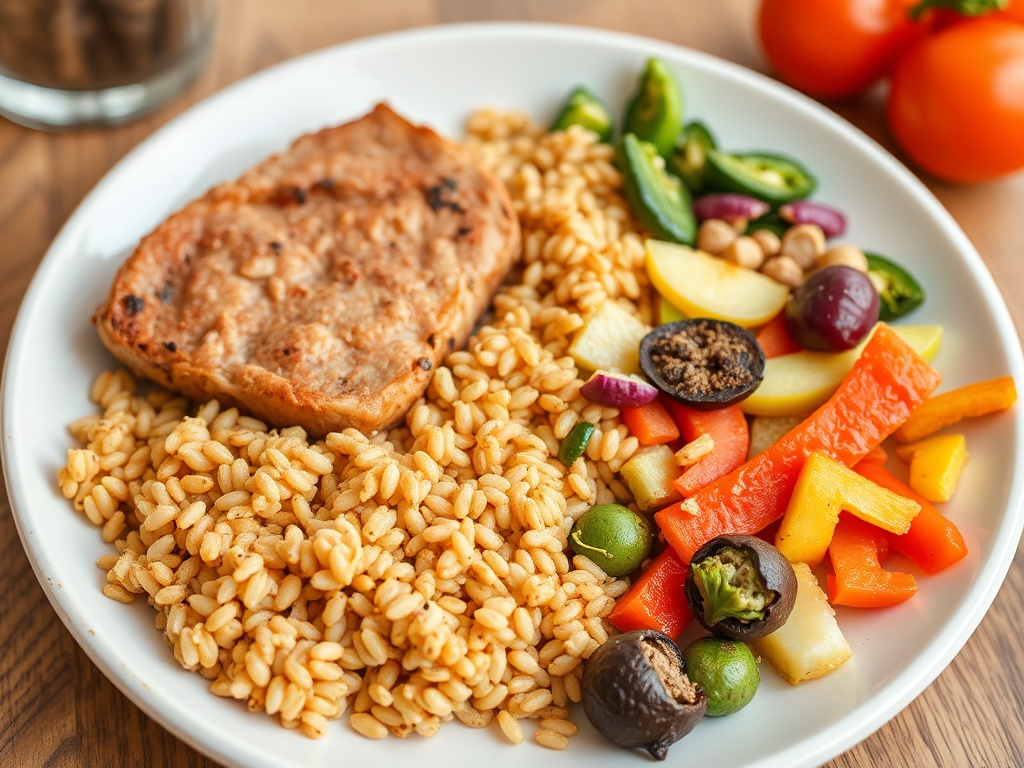
A balanced diet includes lean proteins for muscle maintenance, whole grains for sustained energy, fresh fruits and vegetables for vital nutrients, and healthy fats from sources like nuts and olive oil. Each component plays a specific role: proteins repair tissues, carbohydrates fuel activity, fiber supports digestion, and healthy fats protect your brain and heart. Learning to combine these elements thoughtfully at each meal ensures your body receives everything it needs to thrive.
How do you build healthier eating habits?
Building better eating habits starts with small, manageable changes rather than drastic overhauls. Begin by planning meals ahead, reading food labels to understand what you're consuming, and replacing processed foods gradually with whole alternatives. Drinking plenty of water, eating mindfully without distractions, and preparing meals at home gives you control over ingredients and portions. Consistency matters more than perfection as you develop routines that become second nature over time.
What role does meal planning play daily?
Meal planning removes guesswork from nutrition and prevents impulsive unhealthy choices. When you decide what to eat in advance, you shop with purpose, avoid expensive last-minute takeout, and ensure balanced nutrition throughout your week. Planning also helps you discover new recipes, control portion sizes, and accommodate dietary preferences or restrictions. Taking just an hour weekly to plan transforms your eating patterns and reduces stress around food decisions.
How does hydration support your health?
Water is essential for every bodily function: digestion, nutrient absorption, temperature regulation, and mental performance. Most people need eight glasses daily, though individual needs vary based on activity level and climate. Proper hydration improves energy, skin clarity, and appetite control while reducing cravings for unhealthy snacks. Starting your day with water, drinking before meals, and carrying a reusable bottle throughout the day ensures you stay adequately hydrated.
Learn more nutrition strategies tailored to your lifestyle

What does portion control actually mean?
Portion control means eating appropriate amounts of food rather than eating until you feel uncomfortably full. Understanding serving sizes, using smaller plates, and listening to your body's hunger signals help prevent overeating naturally. You don't need to eliminate favorite foods—just enjoy them in reasonable quantities alongside nutritious options. This balanced approach prevents food guilt and supports sustainable weight management without restrictive dieting that rarely works long-term.
Why should you read food nutrition labels?
Reading nutrition labels reveals what's actually in your food, helping you make informed choices aligned with your health goals. Labels show calories, sugar, sodium, fiber, and protein content, allowing you to compare products and spot hidden ingredients in seemingly healthy options. Understanding labels prevents surprises about ultra-processed foods disguised as nutritious choices and builds confidence in your dietary decisions. This knowledge empowers you to take control of your health.
What are the benefits of eating whole foods?
Whole foods—minimally processed fruits, vegetables, grains, and proteins—contain more nutrients, fiber, and beneficial compounds than processed alternatives. They keep you satisfied longer, stabilize blood sugar, and provide sustained energy without energy crashes. Whole foods also improve digestion, reduce inflammation, and support healthy weight without constant hunger. Replacing processed snacks with whole options transforms how your body feels and functions daily.
How can you make vegetables more appealing?
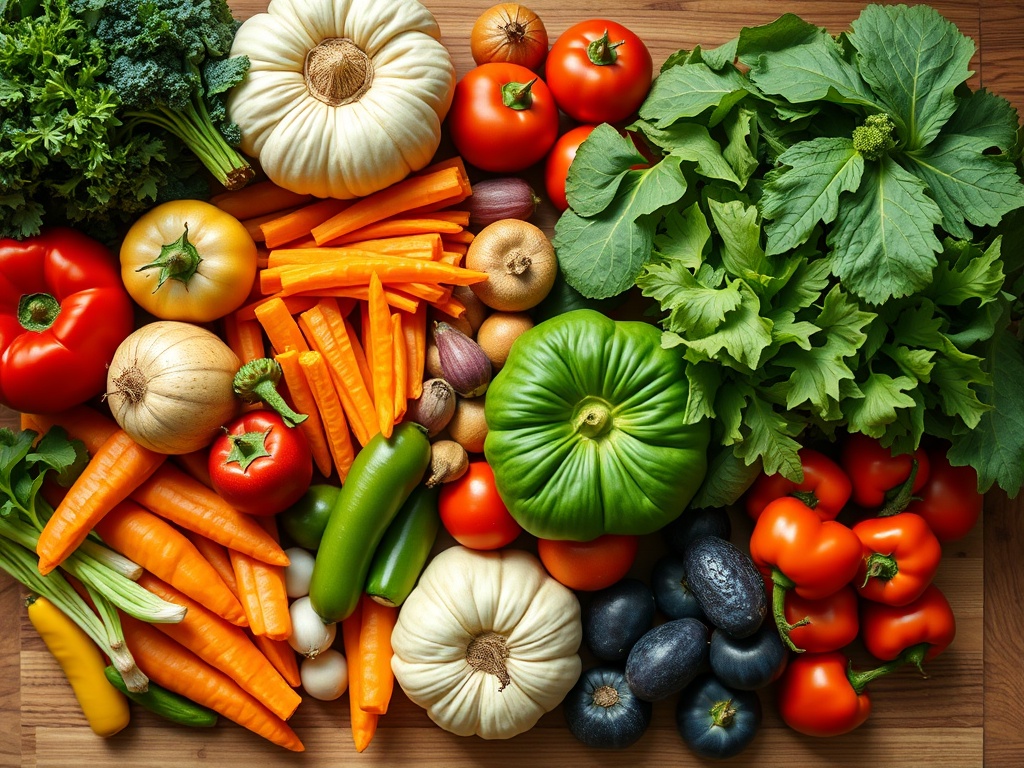
Many people skip vegetables because they find them boring, but cooking methods and flavor combinations transform them completely. Roasting brings out natural sweetness, while seasoning with herbs and spices adds excitement without excess salt or sugar. Trying new varieties, growing your own, and incorporating vegetables into favorite dishes like pasta or curry increases consumption naturally. When vegetables taste delicious, eating them becomes pleasure rather than obligation.
What healthy snacks should you keep handy?
Strategic snacking prevents excessive hunger that leads to poor food choices later. Nuts, seeds, yogurt, fresh fruit, whole grain crackers, and cheese provide sustained energy and important nutrients between meals. Preparing snacks in advance means healthy options are accessible when hunger strikes, preventing impulsive vending machine visits. Choosing snacks combining protein, healthy fats, and fiber keeps you satisfied until your next balanced meal.
How does meal prep save time and money?
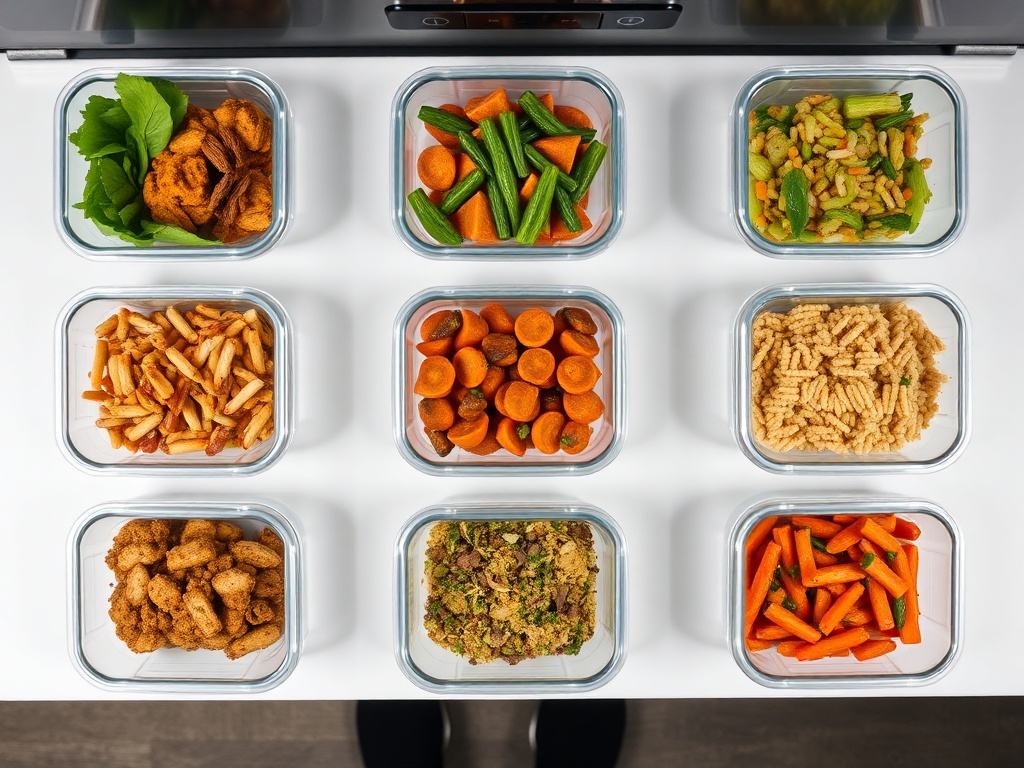
Preparing ingredients or complete meals during less busy times means weeknight eating becomes simple and stress-free. Batch cooking grains, roasting vegetables, and marinating proteins on weekends provides grab-and-go options throughout the week. Meal prep reduces food waste by using ingredients purposefully, lowers costs compared to restaurant eating, and eliminates the tired excuse of ordering takeout. This practice also supports consistency in healthy eating.

Get your personalized nutrition guide
We combine evidence-based nutrition with practical, life-friendly advice